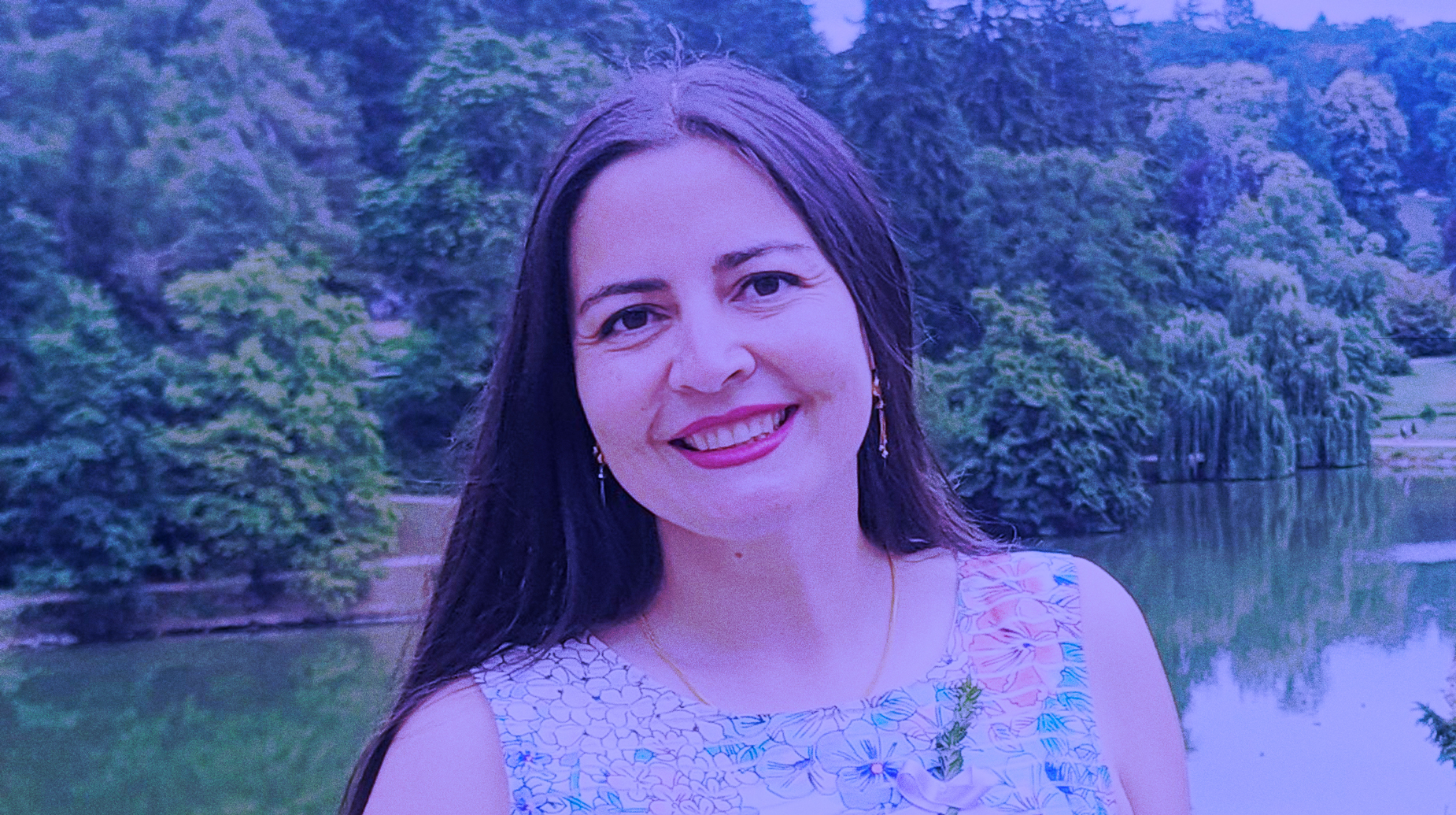
Math Ambassadors: Pilar Osorio-Godoy From the Grupo Cultural Latinos en Rochester
The 2024 total solar eclipse brought the community of the Greater Rochester, New York, area together in countless ways. Totality lasted for less than four minutes, but for Grupo Cultural Latinos en Rochester (GCLR), the eclipse marked the beginning of something with staying power. With the support of the Rochester Museum and Science Center’s STEM ambassador program, the GCLR blended the science of the eclipse into its mission to share Latino culture and heritage. For 2026, the GCLR is continuing its participation in the ambassador program. This time, math is the focus.
The STEM ambassador program has a simple yet impactful concept: to equip local leaders with training, tools and support to create opportunities for meaningful engagement with science and math in their respective communities. Designed to bring STEM learning and resources outside of the museum, the program aims to serve groups that might not otherwise be motivated or able to visit. Ambassadors represent community organizations, businesses and municipalities, serving people across the Greater Rochester region.
The GCLR is one of 12 returning participating organizations that worked on programming related to the 2024 eclipse, committing to two more years of continued science and math exploration. For 2025, the focus has been on astronomy, and the organizations are excited to celebrate math in 2026.
We recently caught up with GCLR’s STEM ambassador, Pilar Osorio-Godoy, to hear about her experience with the program so far, how this work has unfolded in her community, and what she’s looking forward to as GCLR prepares to dive deeper into math next year. The conversation below has been edited for clarity and brevity.
Thanks for speaking with me today, Pilar! Could you tell us a little bit about yourself and your organization?
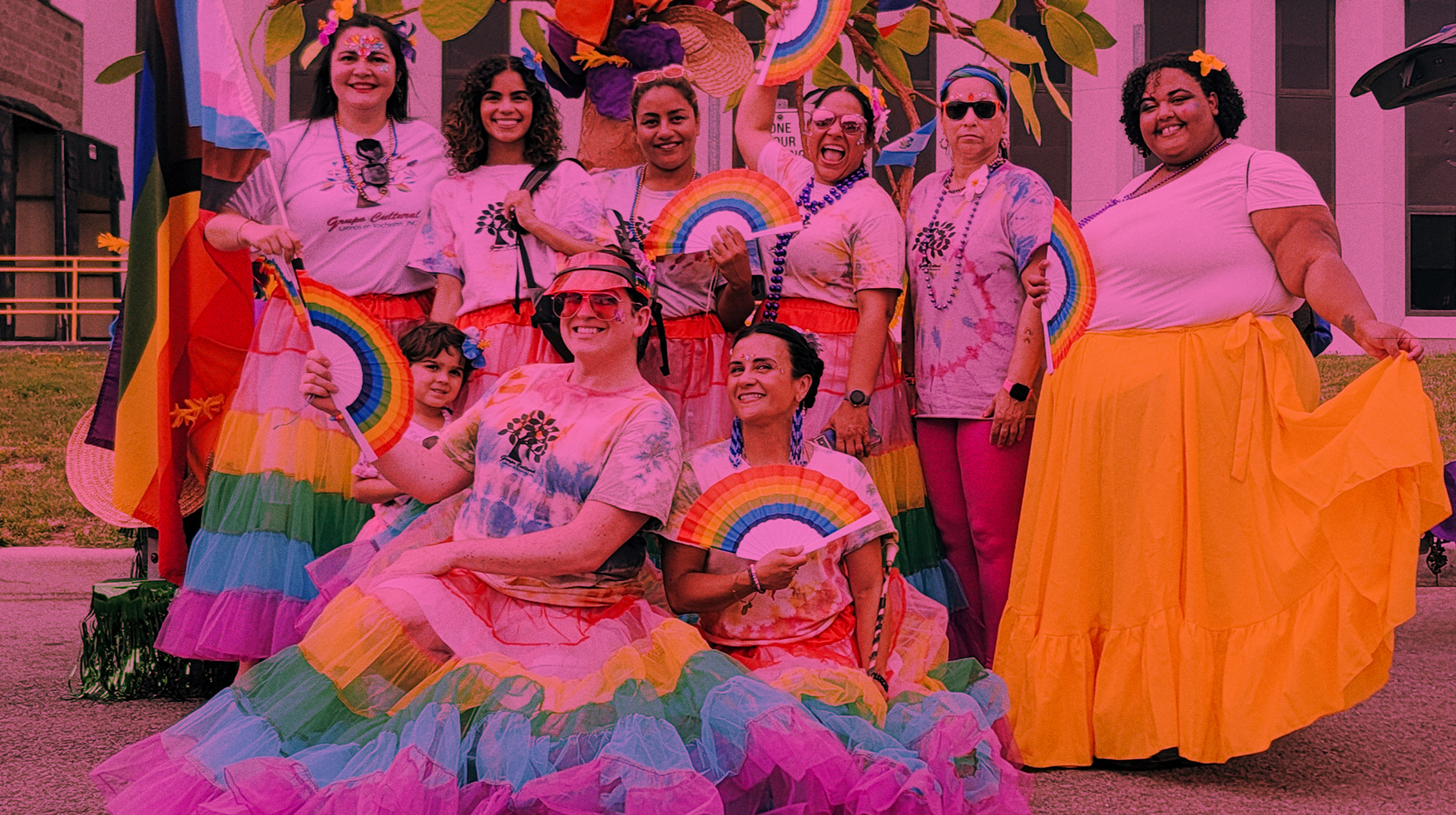
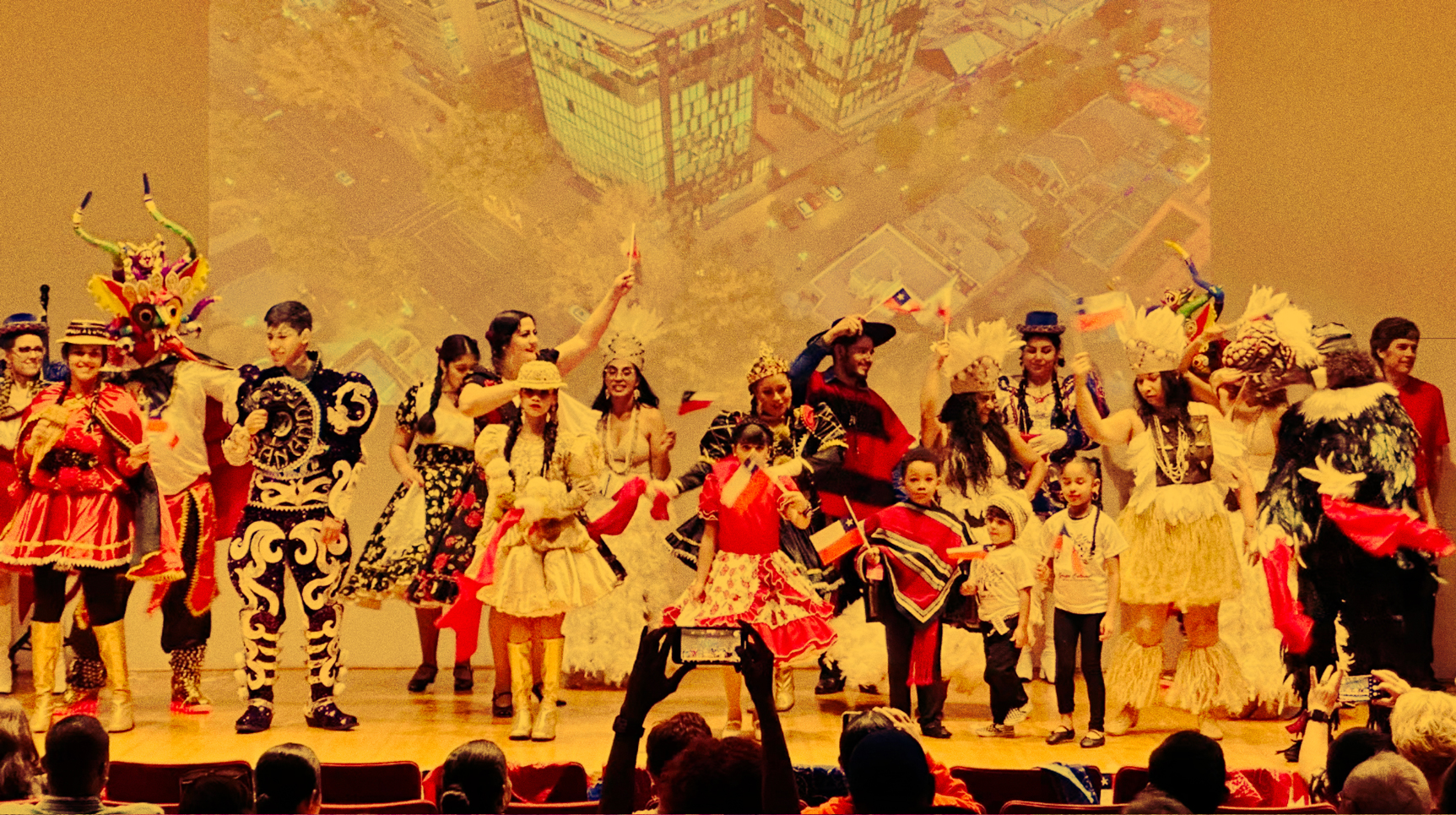
Pilar Osorio-Godoy: Of course! I am the main STEM ambassador with the RMSC from the Grupo Cultural Latinos en Rochester. We are dedicated to sharing Latino culture and heritage within upstate and western New York. We do this in many ways, especially by hosting cultural events to share our traditions, music and dance with the community. We are also committed to supporting and engaging marginalized and underrepresented groups in our area.
I think we are really good at bringing the community together. Whether it’s a dance event or a full carnival show, we find ways to bring families together. We have participants of all generations, and you don’t even have to be Latino to enjoy our events. Everyone has fun, and I think that’s one of the greatest things about what we do.
We've known each other for a few years now, and our connection started back with the run-up to the 2024 solar eclipse. Can you reflect on what that experience was like as an eclipse ambassador and what it was like preparing your community for it?
Pilar Osorio-Godoy: Yes! I remember when Dan Schneiderman, the RMSC’s community engagement manager, contacted us early on in 2023 because the museum had just secured support for the STEM Ambassador program. He reached out to us because our group has a special presence in the community.
At first, it was just — “wow, this is so great!” We love the RMSC, so being invited to build this partnership with them and the other organizations in the program was a really exciting opportunity for us. There was also so much excitement that came with learning that a total eclipse would be passing right through Rochester. It gave us a new way to celebrate our culture, traditions and language — we even created materials and programs in Spanish so our community could engage with the eclipse in a way that felt familiar and welcoming. That mix of science and culture drew me in from the very beginning.
Continuing the program with stargazing this year has been wonderful, too. Many people didn’t realize how accessible that could be. Lots of people think “I could look up at the sky any day,” but never really take the time to do it. Being able to gather as a group to look through a telescope or just be quiet and appreciate the sky is something many people don’t often do. So it has been really special that we have been able to give them that opportunity
Completely. It also makes such a difference doing it with a group of people you care about versus alone. What inspired you to commit to another two years as a STEM ambassador for your community?
Pilar Osorio-Godoy: It was really motivating to see how we could blend science, music, dance and culture into events and experiences around the eclipse and people’s responses to it. We were eager to see what else we could do around other STEM areas. Personally, I have a background in agricultural sciences, which isn’t directly related, but I’ve always had a fascination for science. I grew up in a family of scientists, and my husband is also a scientist, so I’ve always been surrounded by it. Combining culture and science felt so natural for me.
With your focus shifting to math next year, what are some of the themes or connections you are starting to think about to help guide your programming?
Pilar Osorio-Godoy: One thing I’ve been discussing with Dan is math and music. When it comes down to it, music and written notation are basically math expressed in different ways. So many of our programs already center around dance and music, so exploring that math tie-in deeper is really exciting to me.
I’d especially like to work with young people to explore math and music. When children learn something new, they take it home to their families. It sparks curiosity and a chain reaction, sometimes inspiring parents or siblings or grandparents to also join in the experience and share.
I also want to highlight how math shows up in nature and in animals. Birds, for example, have natural symmetry and aerodynamics that tie directly into math and physics. I’m especially interested in focusing on iconic animals from Latino cultures like the condor. Many people don’t know much about them — where they live, how large they are, how they fly or what makes their movement possible despite their massive size. Connecting those ideas to our cultural heritage feels really meaningful to me, and it’s a way to help people learn more about the animals from the regions our families come from.
How cool would it be to build an event around math, condors and music from the Andes? It could be interesting to take a closer look at how the math and physics behind the condor’s size, weight and flight patterns play a role in their role in nature and in the Andes. And we could even tie in traditional Andean music and instruments like the zampoña, which is made of pipes of varying lengths that produce different notes. I’d love to explore how its mathematical structure shapes the sounds it produces and the music people have been inspired to create.
That would be super interesting! Could you speak more about the connections between mathematics and cultural heritage?
Pilar Osorio-Godoy: I think that exploring how math connects to other aspects of cultural heritage will be really interesting for our community. Think about the pyramids and architectural wonders in Central and South America, the Aztecs, Mayas, Machu Picchu. They are mathematical marvels. Even the placement of water drains in pyramids involved careful mathematical calculations. It’s incredible to see how math was applied so long ago.
What do you hope resonates most with people in your community on this journey through astronomy, math and beyond?
Pilar Osorio-Godoy: I’ve learned that people remember things more when they feel something. I hope that every event we put on leaves people feeling happy, connected and inspired. Even small experiences, like learning something new about math, trying a new activity or seeing math in the stars can spark curiosity. They may share it with friends or family, and that has the potential to grow into something bigger. I hope everyone takes something meaningful from our events.
That’s so special. Thank you, Pilar. I can’t wait to see how these experiences continue to inspire and connect your community.
This interview is part of our Math Ambassadors series, which aims to highlight the diverse range of people leading math engagement work with support from the Simons Foundation’s Infinite Sums initiative.