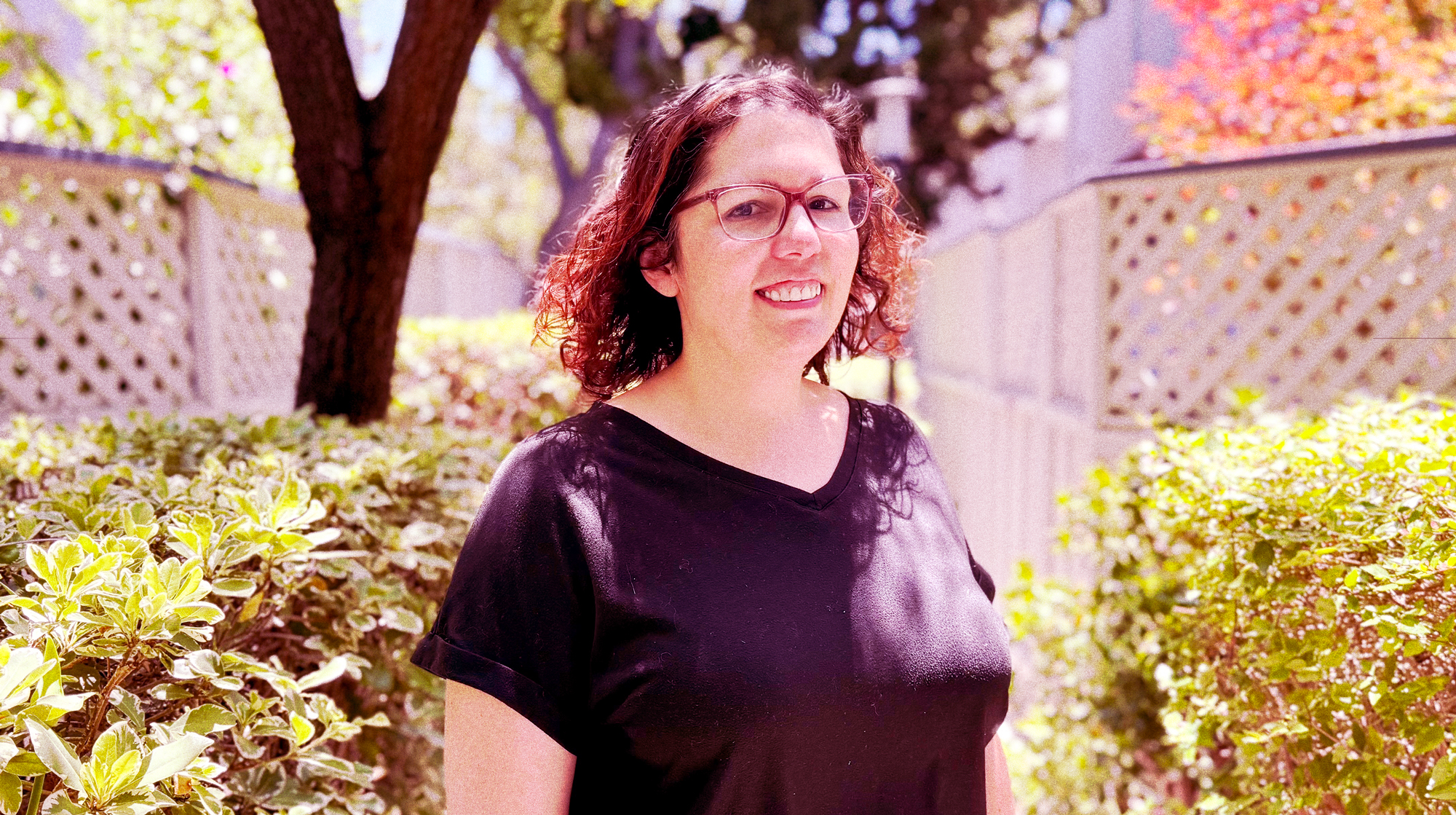
Math Ambassadors: Kristen Martin Lai From The Tech Interactive
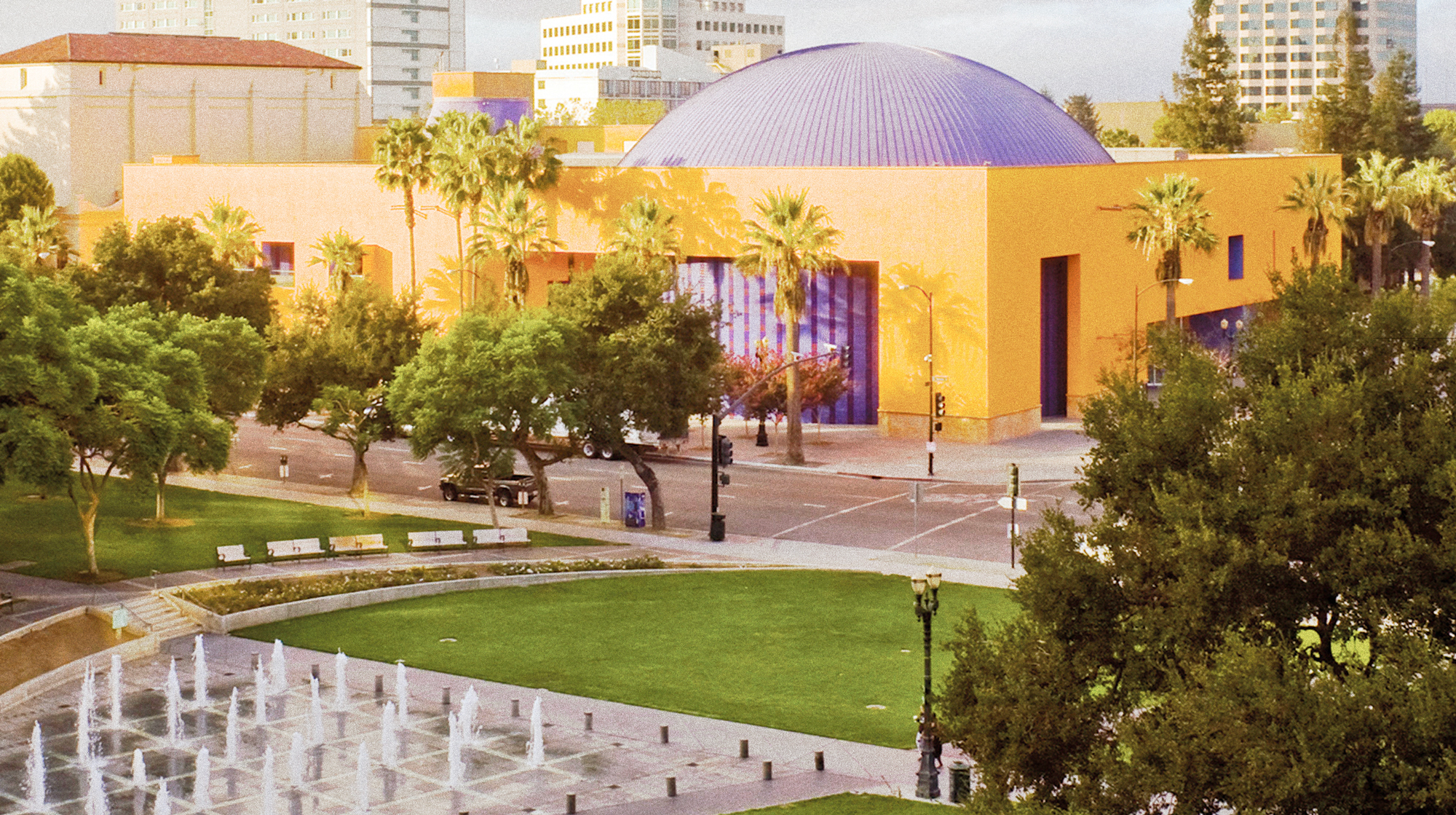
With the world’s game arriving in North America for its biggest moment, institutions across the United States are connecting the global event with their communities. Among them is The Tech Interactive, a science and technology center located in San Jose, California. In collaboration with the San Jose Earthquakes of Major League Soccer, the center is leveraging the excitement of the World Cup to explore the powerful connections between soccer and mathematics.
Under the leadership of Senior Director of Interactive Learning Kristen Martin Lai, The Tech is demonstrating through hands-on experiences designed for fans of all ages how math is woven into every aspect of the sport. In partnership with the city’s beloved Earthquakes, the museum is bringing these ideas directly to fans in accessible, engaging ways.
During the team’s home games this season, The Tech and the Earthquakes will highlight how math shows up in the sport. These activities will also be featured at the Earthquakes’ World Cup Fan Fest events.
We recently sat down with Martin Lai to learn more about this work and how this moment, which bridges math and the beautiful game, will live on well after the World Cup.
The transcript below has been edited for clarity and brevity.
Thank you again for taking the time to chat, Kristen! Can you share a bit about yourself and your role at The Tech?
I’ve been at The Tech for almost 17 years now through a variety of different positions. I actually started off as a volunteer. I’ve been in my current role as senior director for interactive learning since 2021, and I oversee all of our programming in the museum.
And can you tell us about your relationship to math? What’s that been like throughout your life?
Honestly, contentious, I guess. I have never felt like math was my strong subject. I was definitely much more of a creative type. Growing up, math was fine for me until I hit upper algebra levels, where I started feeling like, “when am I ever going to use this level of math? I don’t see the relevance.”
Now, as an adult, I wish that I had pushed myself a lot harder in math. Also at this point, I have a young kid who’s 6, and he loves math. What I’ve tried to do with him and honestly, for my own benefit, is look at how we use math in our everyday lives.
What about your relationship to soccer? Is there anyone you’re rooting for this World Cup?
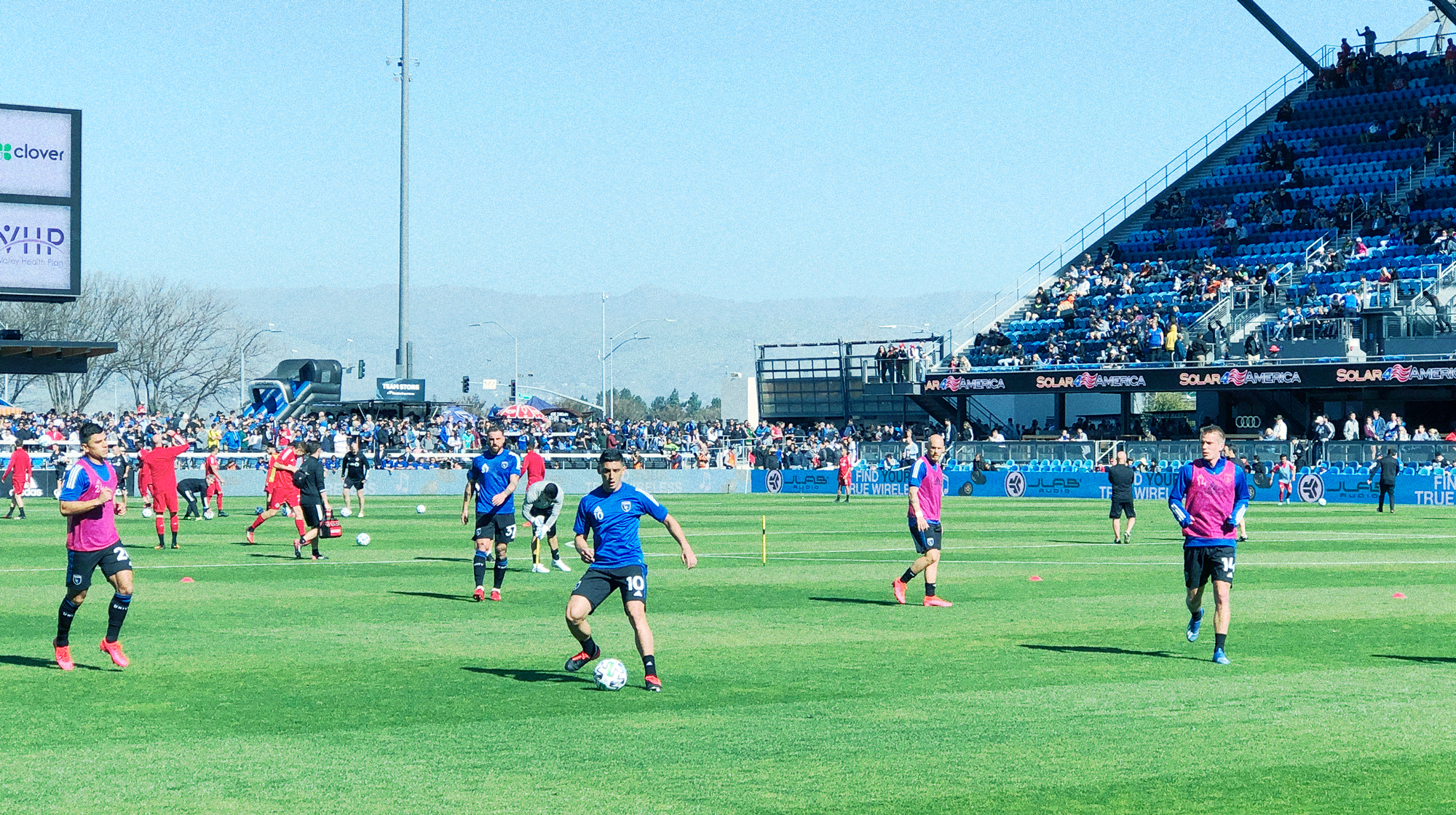
I’m not really a soccer fan outside of my 6-year-old’s team! Since I’m not really a follower, there isn’t really a team I’m rooting for outside of Team USA.
What was your first thought when you heard math and soccer in the same sentence?
I think at first I thought, what [laughs]? But honestly, I did immediately think of geometry and angles. You know, how do you bend a ball? And then my second thought was, OK, but our average user is around 8, so what’s the appropriate level of math that’s going to be relevant and exciting to kids that their parents or adults would also find interesting and engaging?
So where did you land?
The activity that we have through Infinite Sums is a game about reaction time. We were thinking that soccer players have to have very fast reaction times, so we leaned into the statistics side of things. The game has light-up sensors, and the participant has to try to hit as many lights as they can in a set time. They get a readout receipt of their fastest time, their slowest time and their average time.
And then they get a template for a player trading card, and it has a spot where they can add in their statistics and compare their stats to professional players. Then we ask “okay, you got X number of goals in 60 seconds. If you played, how many would you be able to make in 5 minutes?” Because it’s their data, they’re obviously more excited and engaged in doing it, especially compared to a professional player or their siblings or parents.
The other activity we have is a tabletop soccer game. Participants have to design a device to kick a ball from one end of a table to the goal on the other end, but there is a goalie who’s stationed in the middle, so they have to bounce the ball around the goalie and have to bounce it off of several other players. They think about the trajectory of the ball, angles and how hard they have to actually hit the ball.
Can you speak about the partnership that The Tech developed with the San Jose Earthquakes?
It’s been going really well. We already had a relationship with them because they host an annual STEM Field Trip Day out at their park. This year, we brought a prototype version of the reaction time game and it was interesting to watch. The kids learned, from observation, how to change their strategy and improve. Some of the kids kept doing it over and over, trying to improve their times. That was really interesting to watch, because they were just so invested.
I feel like this was the next step up, since we are also partnering with the team’s World Cup Fan Fest events, and I think this has helped deepen our relationship with them. We’ll be out there for the kickoff game, and we’ll be there every weekend of the World Cup with the reaction time game. And I think it’s great with soccer. Soccer is a sport that is popular amongst many different groups, so I do feel like it’s a good place for us. Our game is open to everyone of all ages, and all of our instructional signage will be in English and Spanish, and the player cards are as well. As far as physical accessibility, we do have a way to set up the game board so that only the lower half activates, so folks who use a wheelchair or younger kids would be able to still play.
How have you seen your community prepare for the excitement of the tournament?
With games taking place less than 15 miles away, we’ve seen the city of San Jose take a lot of preparations for the influx of people. I’ve seen lots of welcoming signage around downtown San Jose and I’m sure people will be getting more and more excited.
Can you share a bit more about The Tech's plans to continue connecting math and soccer even beyond the World Cup?
With the Earthquakes, we can continue to use this reaction time game. We will use the home games throughout the summer to learn more about how people react, and we might iterate it a little bit to make it more accessible. We also have a video playing at their home games that talks about the geometry of a penalty.
For Infinity Day, we’re going to do a tessellations activity because The Tech’s logo is actually a tessellation, so it fits really nicely. We’ll do something with our logo, and then a station where you can learn how to make your own tessellation. For Fibonacci Day, we’ll start looking at that over the summer. Because it’s right before Thanksgiving, we’ll try to do a bit more since we’ll have a lot of attendance.
What does the tournament mean to you personally? What about in your capacity at The Tech?
Personally, it’s an exciting moment because my husband is bringing our son to one of the games. He is super excited to share the experience with our son, and I am happy to see them get to have this super special experience together.
For The Tech, I think it’s an exciting time to be so close to such a major event and bring in a lot of tourism. We’re very excited to be a part of the watch party events taking place in downtown San Jose and to interact with thousands of soccer fans from around the world.
Lastly, how has this moment made you reflect on how math shows up in culture?
In general, there is math all around us all the time. I think people just don’t really recognize it. One of the things that is important to highlight is that a lot of the things that we do on a daily basis, or even just a lot of people’s general hobbies, have math in them. If there were a way to make that connection, honestly, between formal education math and real-world math, more people would enjoy and understand math. I am hoping that through the math in our soccer activity, kids will realize that the basic math that they probably think is totally irrelevant to them actually does have a lot of relevance in real life.
Thanks, Kristen!
This interview is part of our Math Ambassadors series, which aims to highlight the diverse range of people leading math engagement work supported by Infinite Sums.